The escort industry in Russia isn’t what you see in movies. It doesn’t scream neon lights and back-alley deals. Instead, it whispers-through apartment buildings in Moscow, quiet cafés in St. Petersburg, and encrypted messaging apps that vanish after one read. This isn’t just about transactional encounters. It’s about loneliness in a society where emotional honesty is risky, where traditional family structures are strained, and where young people navigate love, money, and identity in ways their parents never had to.
Some turn to platforms like escort girl paris 17 for comparison, not because they’re looking for French services, but because they’re curious how other cultures handle the same tension between secrecy and demand. In Russia, the line between companionship and commerce is blurry. A woman might offer dinner, conversation, and a walk in the park-and that’s it. Or she might not. The rules aren’t written down. They’re learned through word of mouth, reputation, and survival.
History That Still Shapes Today
After the Soviet Union collapsed, everything changed. State-controlled morality vanished overnight. Suddenly, there was money-some of it real, most of it fake-and no clear social rules to go with it. Women who once worked in factories or taught school found new ways to survive. Some became entrepreneurs. Others became escorts. There was no stigma attached to earning money this way, not at first. It was just another job, like selling handmade scarves or tutoring English.
Today, that legacy remains. Many Russian escort women are highly educated-university graduates, former dancers, even ex-lawyers. They don’t see themselves as victims. They see themselves as people making choices in a system that doesn’t offer many. The state doesn’t regulate the industry, but it doesn’t protect it either. If something goes wrong, there’s no police report that won’t end in embarrassment or worse.
How It Works Now
Most transactions happen online. Telegram is the main platform. Instagram and VKontakte are used for branding. Profiles are clean: photos in natural light, no overt sexual imagery, just smiles, coffee cups, and city backdrops. Descriptions mention “companionship,” “evening walks,” or “cultural outings.” The real terms are negotiated privately.
Payment is almost always in cash. Crypto is rare. Bank transfers are too traceable. Rates vary by city and experience. In Kazan, you might pay 5,000 rubles ($55) for three hours. In Moscow, 15,000 rubles ($165) is common for a full evening. The most sought-after escorts don’t advertise loudly. They’re recommended. One client tells another. That’s how trust is built.
Why This Isn’t Just About Sex
Sex is sometimes part of the arrangement. But it’s rarely the main reason people seek these services. A 42-year-old engineer in Yekaterinburg told me he hires someone once a month just to talk. He misses having someone who listens without judging. A student in Novosibirsk said she hires a male escort to feel wanted-not for sex, but for the confidence it gives her. These aren’t outliers. They’re the norm.
There’s a quiet dignity here. Many women set boundaries they won’t cross. No drugs. No public locations. No minors. No coercion. They know the risks. They’ve seen friends get arrested or threatened. So they protect themselves fiercely. Their rules are strict, and their clients respect them-or they don’t come back.

The Double Standard
Men who hire escorts rarely face judgment. Women who offer them do. Social media is full of anonymous posts calling them “sluts” or “trafficking victims,” even when they’ve posted their own university diplomas and tax receipts. The same society that glorifies wealth and success blames women for how they earn it. Meanwhile, men who pay are often seen as “just being men.”
There’s no movement to legalize or decriminalize escort work in Russia. No politicians speak up. No NGOs offer support. The industry exists in the gray-where people find solutions, but no one takes responsibility.
Regional Differences
What you find in Vladivostok isn’t what you find in Sochi. In the Far East, clients are often foreign sailors or Chinese businessmen. In the Caucasus, the industry is nearly invisible-family honor is too strong. In Siberia, many escorts work seasonally, returning to their hometowns in winter. In Moscow and St. Petersburg, the scene is more polished. There are agencies, though they’re unofficial. There are stylists, photographers, even therapists who help clients manage emotional burnout.
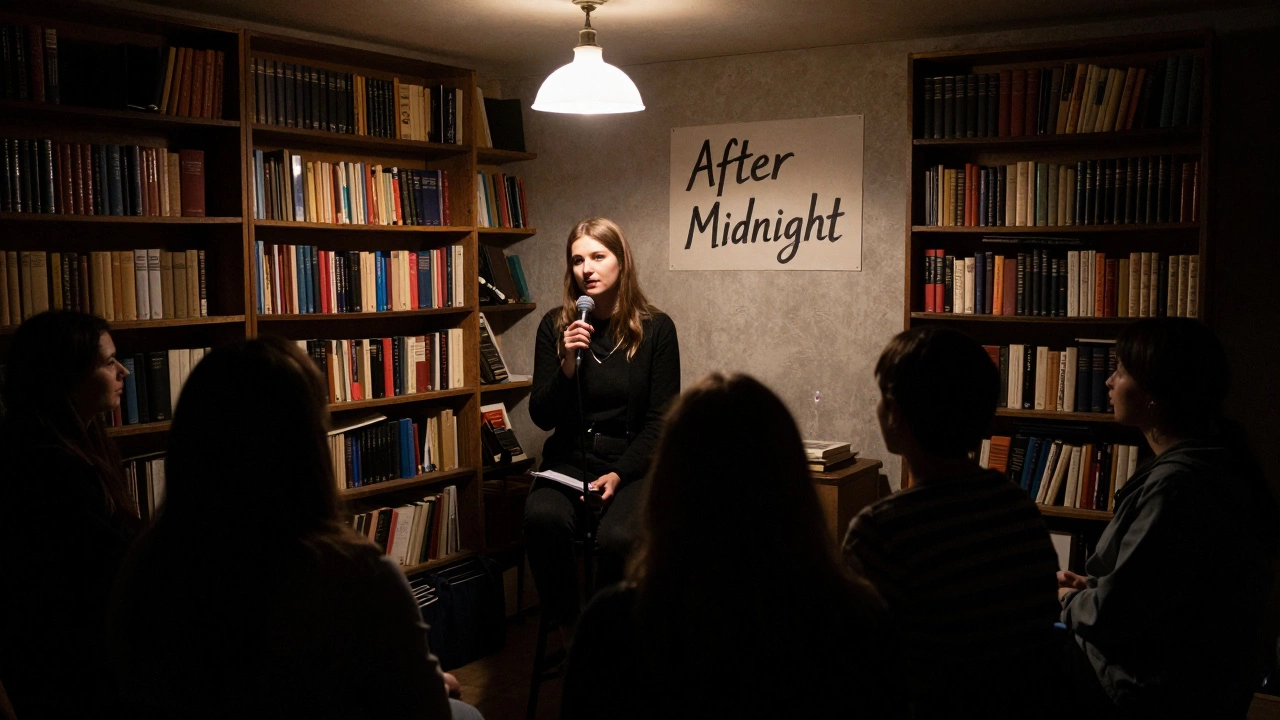
Some women have turned this into a brand. They run blogs about Russian literature. They host small poetry nights. One woman in Perm started a podcast called “After Midnight,” where she interviews clients and other escorts about life, love, and loss. It has over 80,000 downloads. No one knows who she really is. But people listen.
The Role of Technology
Apps like Tinder and Bumble helped normalize casual meeting. But for escorts, they’re too public. Telegram bots now auto-filter clients by location, budget, and preferences. AI-generated profiles help new entrants look more professional. Voice notes replace photos in some cases-just to avoid facial recognition tools that police use to track profiles.
There’s a new trend: “virtual companionship.” For 2,000 rubles an hour, you can book a video call with someone who’ll read to you, play music, or just sit quietly on screen while you work. It’s not sex. It’s presence. And it’s growing fast.
What Happens When It Ends?
Many women leave the industry by 30. Some go back to school. Others start small businesses-boutiques, cafes, online tutoring. A few become activists, speaking anonymously about workplace safety. But most just disappear. They change their names. Move cities. Start families. No one talks about what happened. No one asks.
There’s no aftercare. No counseling. No exit program. Just silence.
Why This Matters
This isn’t just a Russian story. It’s a human one. In every country where economic pressure meets emotional isolation, people find ways to connect. Sometimes those ways are messy. Sometimes they’re beautiful. The Russian escort industry isn’t a crime wave. It’s a symptom. Of broken social safety nets. Of silent loneliness. Of a generation trying to build meaning in a world that doesn’t make space for it.
When you hear about “sex paris,” don’t think of a stereotype. Think of a woman in Paris, in Moscow, in Kyiv, who’s trying to survive, to be seen, to be human. The same need drives her whether she’s in the 11th arrondissement or the 17th district of Moscow. The names change. The currency changes. The hunger for connection? That never does.
And that’s why, whether you’re in Paris or Perm, the real question isn’t about legality or morality. It’s this: What kind of society leaves so many people so alone that they have to pay for company?
- Poplular Tags
- escort girl paris 17
- sex paris
- escort paris 11